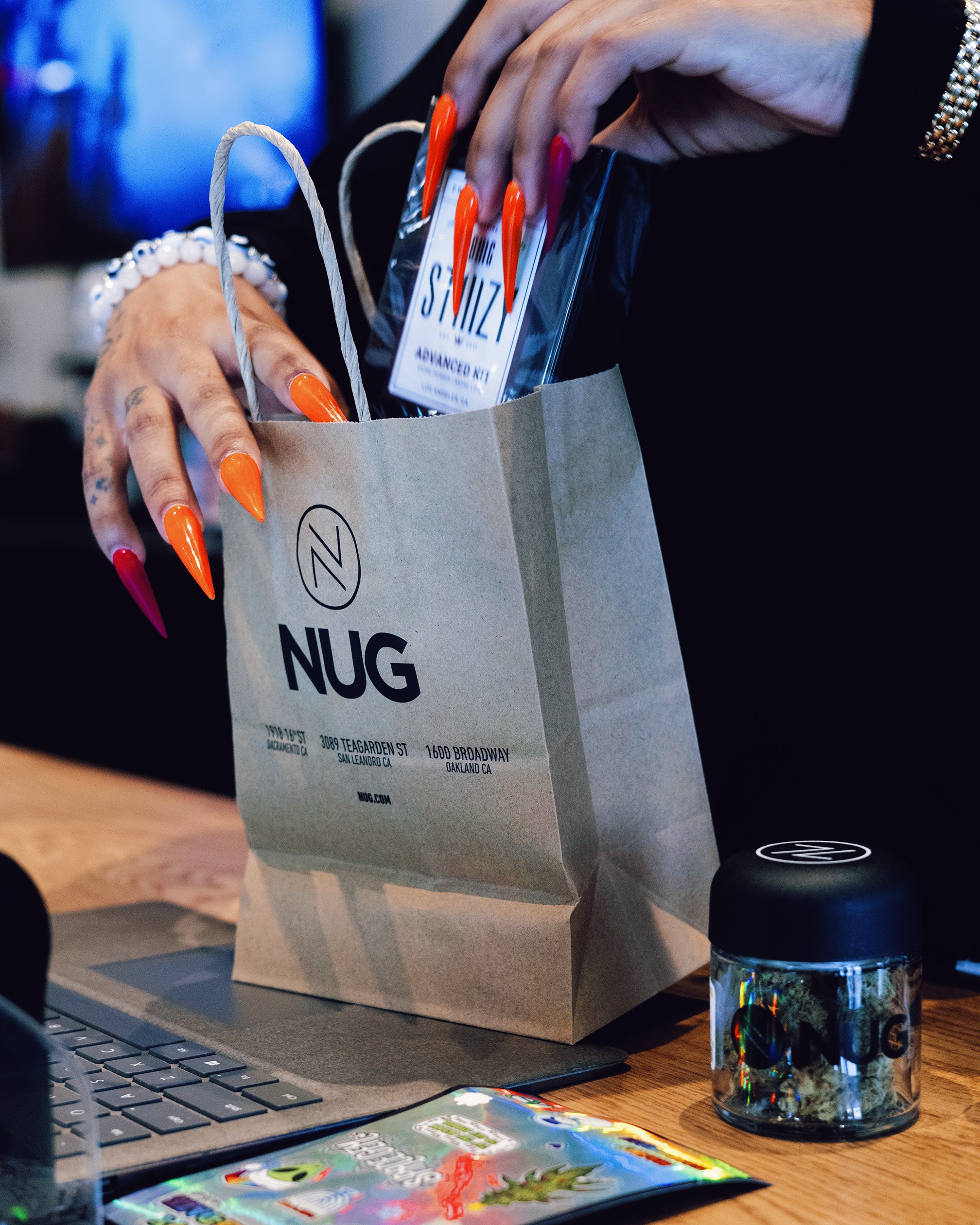
A dispensary loyalty program needs a reason to exist beyond collecting another phone number. Decide which customer behavior you want to understand, what benefit you can sustainably offer, and how the register will handle it. Then test whether the program changes anything useful.
Enrollment is only the beginning of that test. A growing member list can coexist with confusing rules, unused rewards, and lower contribution per order. Build the program around a clear customer experience and an honest measurement plan. The dashboard should help the operator make decisions, not celebrate every signup equally.
Choose one problem the program should address
Start with a specific question. Are first-time customers returning? Do existing members understand their benefits? Is the redemption process slowing checkout? Each problem suggests a different experiment. Combining all three into a complicated launch makes it harder to identify what worked.
Write a simple objective with a defined observation period. For example, assess whether a clearer explanation of an existing reward changes redemption among eligible members. That is a testable operating question. Claiming the program will increase customer lifetime value before collecting evidence is a sales pitch.
Review the store's broader context before selecting the objective. Staff turnover, stock availability, opening hours, and checkout problems can affect repeat visits. A reward should support a functioning retail experience. It should not become the default answer to every problem the store has.
Write rules a customer can understand at the counter
Describe how members earn, what they can redeem, which purchases qualify, and whether benefits expire. Put exclusions where customers can see them before choosing a reward. If staff need five screens and a supervisor to explain the offer, simplify the offer first.
Use concrete examples that match the configured program. Show one eligible purchase and one redemption scenario. Have a staff member explain both without reading a script. Their questions will reveal missing decisions about exclusions, partial redemptions, returns, or combinations with other offers.
Software choices change the experience. Dutchie's documentation describes configurations that apply loyalty points as a payment or as a predefined discount. Those approaches are operationally different. Confirm how your own setup handles redemption rather than assuming every point balance behaves like cash. See Dutchie's register guidance for that distinction.
Keep the public explanation consistent across the counter, website, and enrollment screen. Our cannabis web design guide covers clear paths through information. A loyalty page should let a customer understand the offer before the page asks for their details.
Check the economics with your own inputs
Build a worksheet using actual store figures and the proposed rules. Include eligible revenue, product cost, discounts, reward redemption, software costs, and staff time. Keep the inputs visible. An optimistic estimate hidden inside a blended percentage can make an expensive program look inexpensive.
Use an illustrative order to expose the arithmetic. Suppose an order has $80 in merchandise revenue before a $5 reward and $48 in product cost. The remaining merchandise contribution is $27 before other expenses. Those invented numbers explain the calculation; they are not a dispensary benchmark or a suggested reward.
Then examine what happens when the reward combines with an existing promotion. Recalculate using the actual sequence your register applies. Taxes, exclusions, and accounting treatment depend on the store's configuration and applicable requirements. Have the responsible finance person confirm which figures belong in the comparison.
A higher average order value does not settle the question. If customers purchase more merchandise only because the discount grows faster, contribution can move in the opposite direction. Report basket value alongside the cost of earning that basket. Keep the definitions consistent across the test.
Keep enrollment and communication choices clear
Explain what information the program collects and why. Make the experience understandable at the moment of enrollment. A customer joining a rewards program should not have to guess what messages will follow or where to manage preferences.
California's Attorney General identifies loyalty benefits exchanged for personal information as a financial-incentive issue under the CCPA for covered businesses. The required notice belongs in the enrollment design, not an afterthought. Check coverage and the actual arrangement against the state's CCPA enforcement guidance before launching.
Coordinate the program's explanation with the person responsible for privacy and customer communications. Keep a record of the version presented during enrollment. If rules change, the team needs to know which terms were displayed and how affected members will receive an accurate explanation.
A loyalty membership is not a shortcut around a messaging provider's restrictions. Review the chosen communication service independently before promising text reminders or campaigns. Keep the article's operating principle simple: a reward, a customer record, and permission to send a particular message are separate decisions.
Test real checkout situations before inviting everyone
Prepare a short test sheet using authorized test transactions or the system's supported testing process. Cover a new member, an existing member, a reward redemption, an excluded item, an attempted combination of offers, and a return. Write down the expected result before testing.
Include the online experience if the store offers one. Confirm that balances, terms, and available benefits agree with the register. A benefit advertised online but unavailable at checkout creates work for staff and a disappointing experience for the customer.
Dutchie's setup guidance documents earning rules, loyalty discounts, and communication-related settings. Use the relevant vendor documentation to inspect the configuration, while keeping the customer explanation independent of software jargon. The current loyalty setup instructions are a useful starting point for stores using that system.
Train staff on the exceptions they actually encounter. Decide who can correct a balance, where a dispute is recorded, and how to explain a failed redemption. A calm, consistent answer is more useful than asking every shift to invent its own policy.
Measure behavior with a fair comparison
Compare customers over equivalent windows. If the question concerns a second visit, give each first-time customer the same opportunity to return. Report the share who returned, the time observed, and the number included. Avoid comparing a mature member group with people who enrolled yesterday.
Expect selection differences. Customers who join voluntarily may already like the store more than people who decline. A comparison between members and nonmembers can describe those groups, but it does not by itself establish that rewards caused the difference.
For a stronger test, ask whether a supported, appropriate holdout or phased rollout is feasible. Define the groups and decision rule before looking at results. If that design is unavailable, label the report observational and record other changes during the period.
Useful reporting combines activity and economics: eligible members, participating members, redemptions, repeat visits, merchandise revenue, and reward cost. Our guide to turning dispensary sales data into decisions provides broader context for using store information deliberately.
Make the creative explain the benefit
Give loyalty materials one job: help an eligible customer understand the next step. Use readable type, a straightforward benefit description, and a destination with the full terms. Keep the visual language consistent with the store. Complicated graphics cannot rescue complicated rules.
Photograph the actual retail environment when you need imagery. Avoid implying that a pictured brand sponsors a reward unless that arrangement is confirmed. Plan counter materials, website images, and staff reference cards together so each channel tells the same story. Explore our retail content production when those assets need a coordinated brief.
Review, simplify, and decide
Set a review date when the pilot begins. Assess the original objective, staff friction, customer questions, and total operating cost. Keep what is useful, change what is confusing, and stop components that lack a defensible purpose. A program can become better by offering fewer choices.
Bring the rules, test results, and real economics to the next planning conversation. High Rise can help connect the customer explanation with the creative and website experience. Discuss the loyalty communication brief with the evidence your store already has, then build the next test around what remains uncertain.