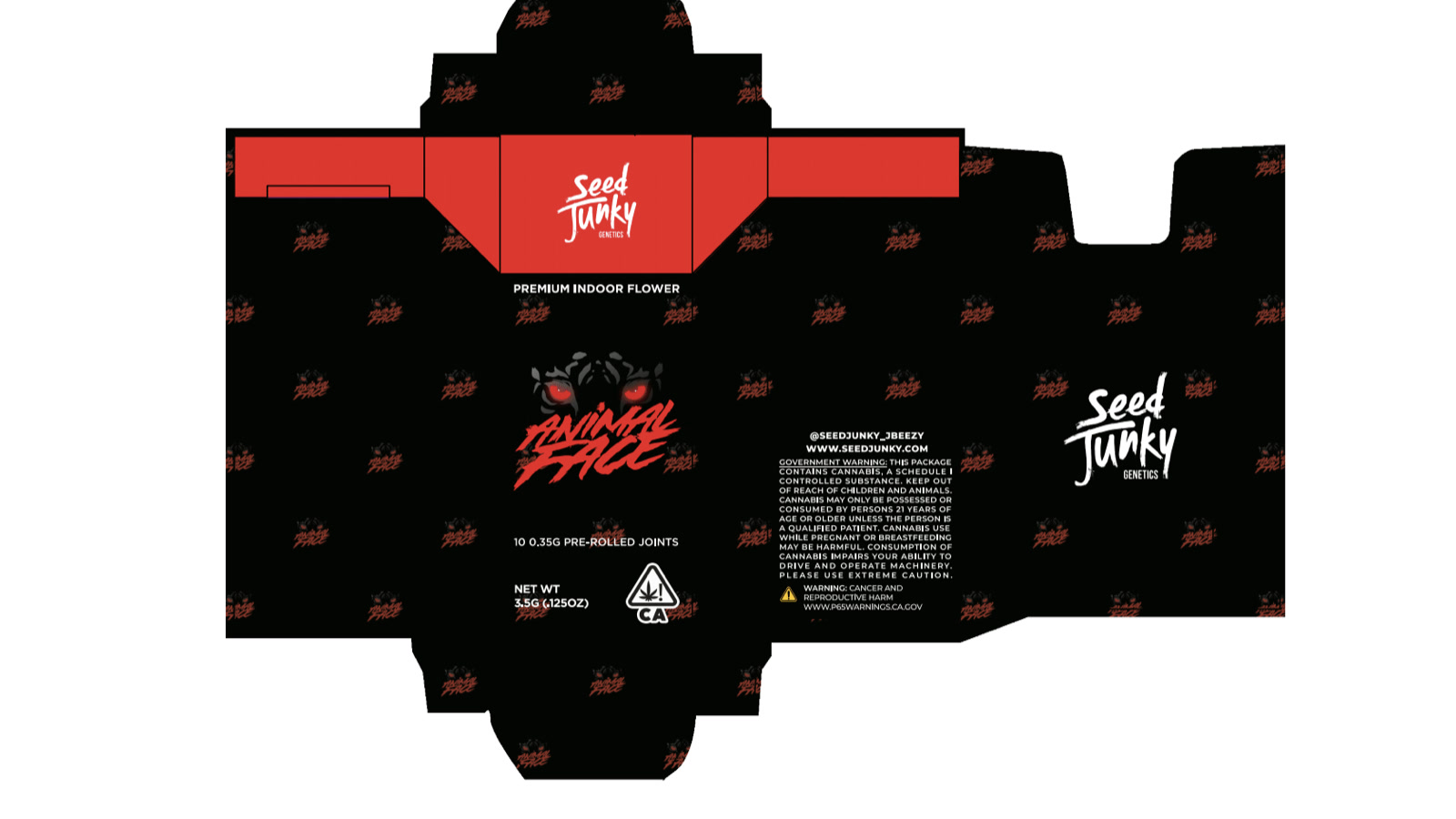
Cannabis brand strategy is the deliberate act of establishing what specific mental real estate your brand occupies within the consumer's mind, long before a single design element is finalized. Many operators fall into the trap of prioritizing aesthetics, yet pretty design cannot compensate for a lack of foundational strategy; in reality, it only makes that confusion more expensive.
For operators heading into 2026, skipping the strategic phase can waste production budget, create retail friction, and leave the identity without a clear role. If you have not defined the priority audience, the value you provide, and the meaningful alternative you offer, a premium logo will not provide the salvation you need. A documented strategy gives the identity a defined job and gives teams a shared basis for later decisions.
It does not guarantee awareness, conversion, or longevity.
The business stakes of strategic confusion
In the early, Wild West days of cannabis legalization, mere visibility was often sufficient. Being the 'local choice' or claiming 'high-quality flower' provided enough runway to sustain a business. That era has passed. Today, cannabis operators face a punishing trifecta: severely compressed margins, restrictive advertising regulations, and a consumer base that has become increasingly sophisticated regarding value and brand ethics.
When a brand lacks clear positioning, it can create repeated work for sales, marketing, operations, and creative teams. Sales teams struggle to pitch products because the value proposition remains nebulous. Content creators fail to gain traction because there are no distinct brand pillars to anchor their work. Most critically, budtenders—who serve as the important gatekeepers of the industry—cannot effectively recommend a product they do not understand.
That ambiguity can create avoidable rework and inconsistent retail communication.
High Rise has been operating within this complex ecosystem since 2012. High Rise’s operating view is that visual work should follow a documented positioning decision; this article does not assign an unsupported dollar value to projects where that sequence was reversed. Cannabis brand strategy is the process of defining a position the business can support and repeat.
It is the practice of creating a situation where your audience recognizes your brand value even if you strip away the logo and packaging. Without this operational foundation, you are not building a brand; you are merely renting shelf space that the position may be difficult to defend. Your brand must serve as an anchor in an industry defined by its rapid, unpredictable cycles of growth and consolidation.
Positioning for power
We treat positioning as an operational requirement, not a creative abstraction. To move from a product with a logo into a durable market player, operators need clear answers that shape everything from packaging to digital marketing.
1. Who is the enemy?
Strong brands are not just broadly for everyone. They reject a category habit: overpriced corporate sameness, bottom-shelf volume tactics, or empty hype. Naming the behavior you stand against clarifies the customer you want and gives people a principle-based reason to choose you.
2. Motivation over demographics
Age and income are inputs, not strategy. Different customers can buy the same product for the same reason. Position around the job to be done—ritual, flavor, format, convenience, discovery, or status. When the why is clear, your marketing blueprint gets sharper and easier to execute.
3. The competitive gap
Map the market by vibe, format, price, and retail footprint. If every competitor in your lane uses loud color and aggressive language, restraint may be the opportunity. Useful positioning defines a specific value, customer, context, and reason to choose the brand without claiming exclusivity that the evidence cannot support. If you cannot say that clearly, the strategy still needs more work.
The tradeoffs: the art of saying no
The most challenging aspect of strategy is the power of refusal. A brand that attempts to be everything to everyone ultimately becomes irrelevant to everyone. If you aim to be the premium, small-batch choice, you must accept that you will likely not win the high-volume, discount-seeking consumer. If you intend to be the accessible, everyday utility brand, you must sacrifice the 'exclusive' aura of a high-end luxury drop model.
These tradeoffs make the position operationally specific. By narrowing your focus, you increase your operational efficiency. You cease wasting capital on social media content that misses its target and start building content for a defined audience and next action. For an activation, audience fit and the stated objective matter more than an unqualified attendance claim. The event record should show who was invited, what was delivered, and which follow-up occurred.
The useful outcome is a smaller set of choices the team can execute consistently.
Scaling through ecosystems
Once the positioning is locked, the brand must live within a cohesive system. At High Rise, we view the brand as a flywheel. Strategy sharpens the position, which then informs your digital interfaces, your content creation efforts, and your influencer partnerships. High Rise can test positioning through interviews, content responses, retailer feedback, search behavior, and campaign evidence; reach alone does not validate a position.
A brand is a living organism; it must show up with consistent energy on a dispensary menu, in a physical store, and in a newsletter takeover. If the positioning is solid, the transition between these channels is fluid. If the positioning is weak, the brand identity feels fragmented, appearing like a different company on every platform.
Scaling requires this systemic consistency, ensuring that every touchpoint reinforces the primary narrative you have meticulously constructed throughout the launch phase.
Integrating strategy into retail and budtender education
One of the most undervalued components of brand strategy is how it manifests on the retail floor. You can have a visually stunning website, but if the staff behind the counter cannot articulate your story, retail staff may struggle to explain the product consistently. We maintain that budtenders are the most undervalued influencers in cannabis. Your strategy must provide them with the 'hooks' they need to move your product.
'It’s good weed' is not a hook. 'This is the only sun-grown flower in the region using regenerative soil practices to enhance flavor' is a hook. A sharp strategy equips the retail team with the narrative tools to perform your marketing on your behalf. Clear, accurate retail language helps staff describe the product without asking them to repeat claims the brand cannot support.
Measuring strategic health (beyond vanity metrics)
How do you quantify if your positioning is actually effective? It goes beyond superficial likes or follower counts. Potential signals include branded search, direct traffic, retailer feedback, repeat orders with documented context, content reuse, message recall, and buyer interviews. None proves positioning caused a sale on its own. If independent audiences repeat the intended position accurately, treat that as one positive signal and compare it with behavior and commercial evidence.
If you are constantly forced to explain what your brand represents, you are still trapped in the 'pretty design' phase. Periodic review can help the team update decisions when regulation, retail conditions, or audience evidence changes.
The concrete next step for operators
Before commissioning a rebrand or funding a new photoshoot, conduct an audit of your current positioning. Ask your team, your most loyal customers, and three local budtenders who don't know you what your brand represents. If the feedback is inconsistent, pause your creative spending. High Rise Agency specializes in sharpening these core positions for brands that are primed for growth.
High Rise has operated since 2012 and current agency documentation records 500+ brands and operators supported. Those figures establish experience, not a guaranteed positioning or growth outcome. The operating goal is a system where each content decision reinforces the same documented position.
If you are prepared to move past aesthetics and build a lasting enterprise, the next logical step is a strategic audit to identify the next decisions the team can test and document.
A useful audit should not stay theoretical. Write down the three claims you want retailers and end consumers to repeat about your brand, then compare them against your current menu copy, package language, sales deck, and social captions. If those surfaces describe you in four different ways, the market is absorbing four different brands.
Next, review your top-selling SKUs and identify which promise they actually fulfill best: potency, flavor, consistency, convenience, or status. That exercise usually reveals whether the business is truly building around a real position or simply reacting to short-term demand. Once that gap is visible, the team can evaluate whether creative decisions, retail education, and recurring content become more consistent.
It also gives leadership a practical filter for future launches, partnerships, and wholesale conversations so the brand scales with consistency instead of drift.
Frequently asked questions
How much should we invest in strategy versus design?
If strategy has not claimed meaningful planning time up front, design spend usually becomes inefficient. Strategy should guide the brief before the visual work begins.
Can we refine our positioning after we have already launched?
Yes. Many established operators sharpen positioning after launch as competition shifts. Refinement is often more cost-effective than a full rebrand because it builds on awareness you already paid to create.
How should we evaluate a brand-strategy project?
Define the evidence before the work starts: message recall, fewer internal revisions, consistent retail language, stronger qualified traffic, or another observable signal. Do not assign revenue or acquisition effects without data that supports the connection.
Does positioning matter if we are a small, local brand?
Yes. A smaller operator can use a clear position to decide which customers, retail accounts, messages, and formats deserve limited resources. The position still has to be supported by the product and the operating experience.