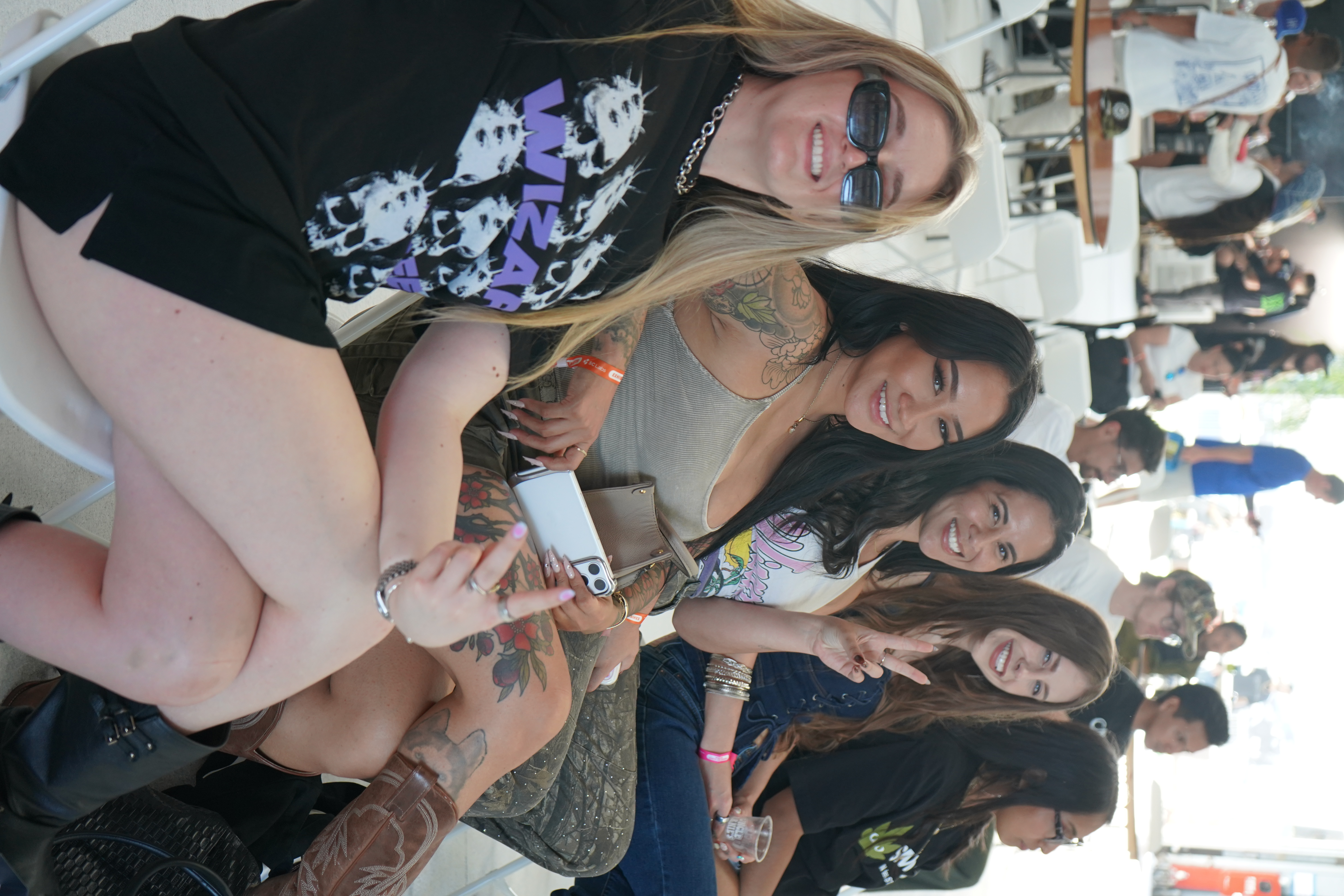
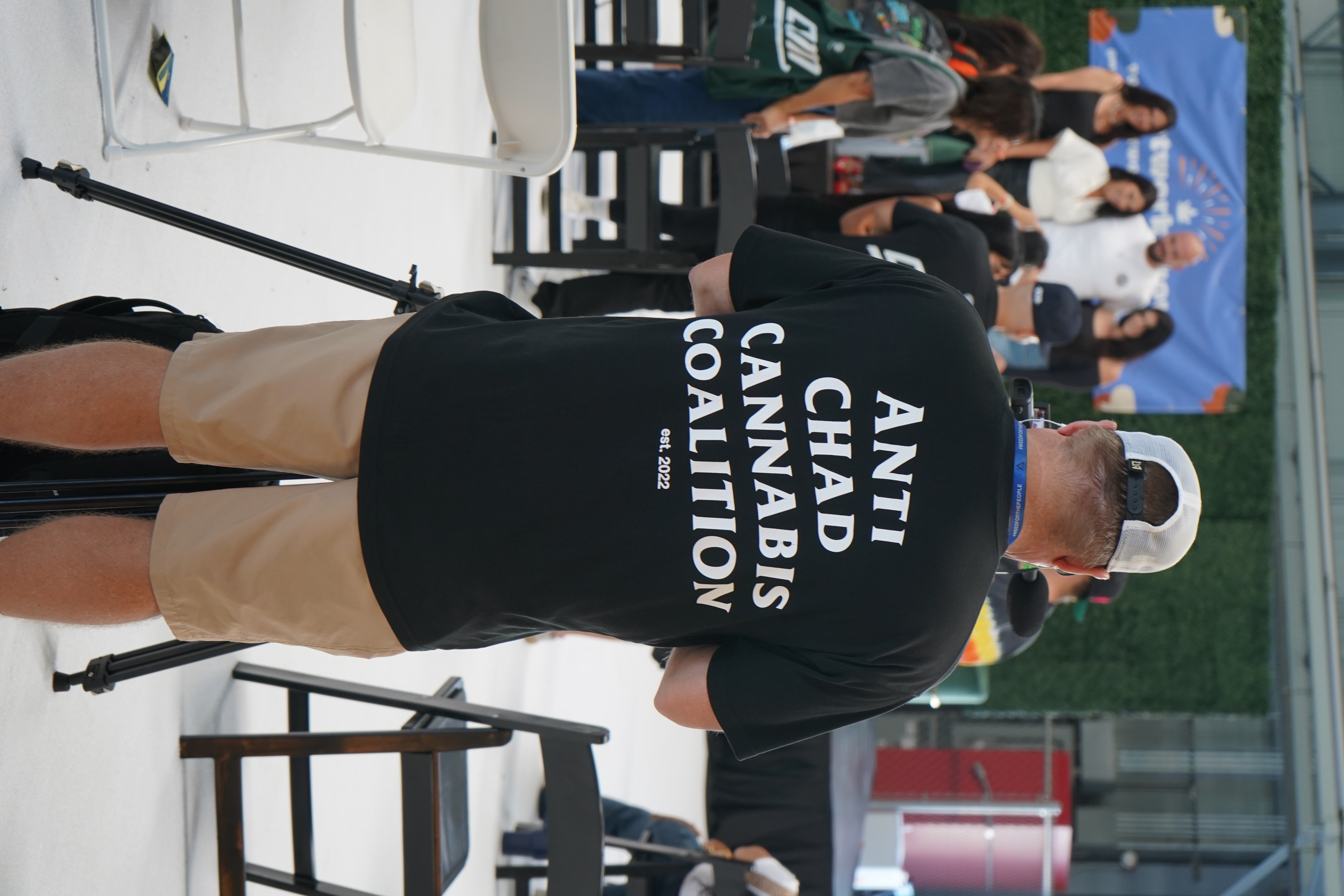
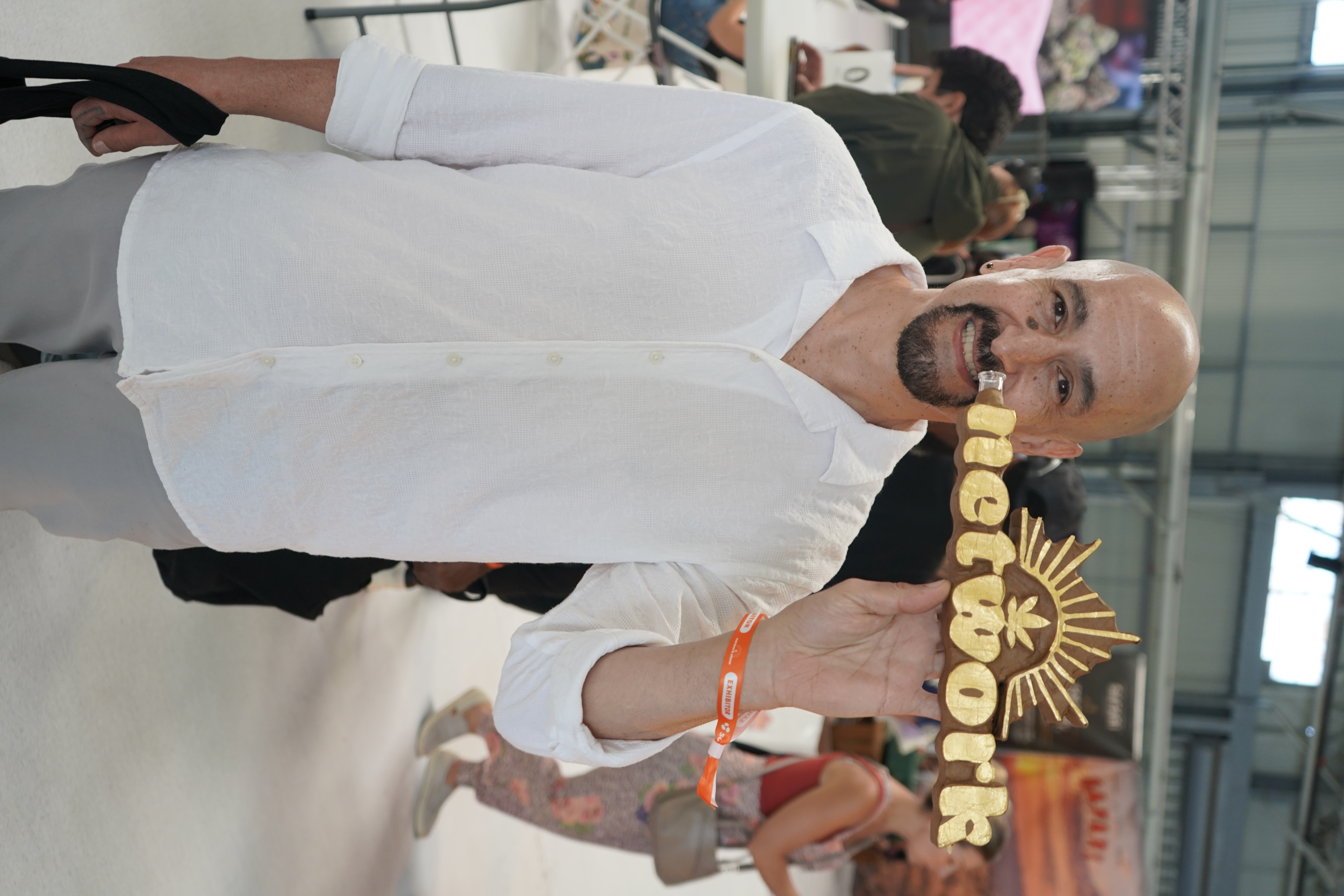
Network Show 2026 did not treat networking like a side activity. It made connection the whole point.
Across September 23–24, licensed cannabis brands, retailers, buyers, operators, managers and budtenders came together in Los Angeles for two days built around face-to-face business. The fifth annual edition combined a focused trade floor, live panels and the kind of access that is difficult to recreate through email, social media or another video call.
A cannabis trade show built for the people doing the work
Network Show started with a narrow idea: bring California’s licensed brands and retail decision-makers into the same room. The concept began in 2022 and became a live show in 2023. The first three editions sold out and collectively drew more than 5,000 operators from across the state.
That history matters because Network Show is not positioned as a general consumer festival. Exhibiting is limited to licensed cannabis brands. Attendance is built for licensed retail owners, buyers and staff. That focus changes the energy on the floor. Every booth, introduction and panel starts closer to an actual business conversation.
The 2026 edition brought access to more than 400 California brands. Retailers, buyers, managers, operators and budtenders arrived with clear reasons to be there. The audience was specific, the conversations were relevant and the usual gap between brand marketing and retail reality became much smaller.
The show floor was the main event
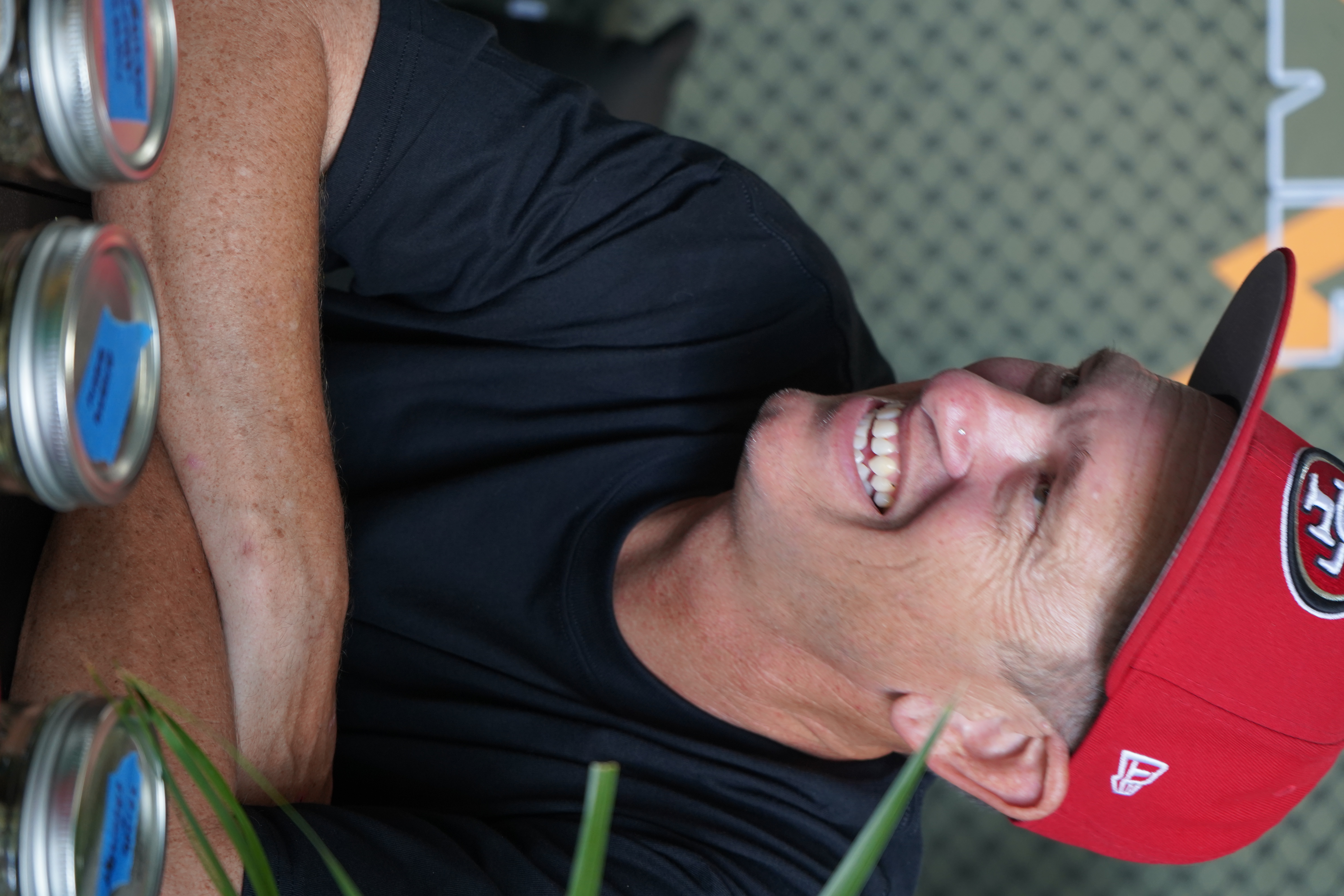
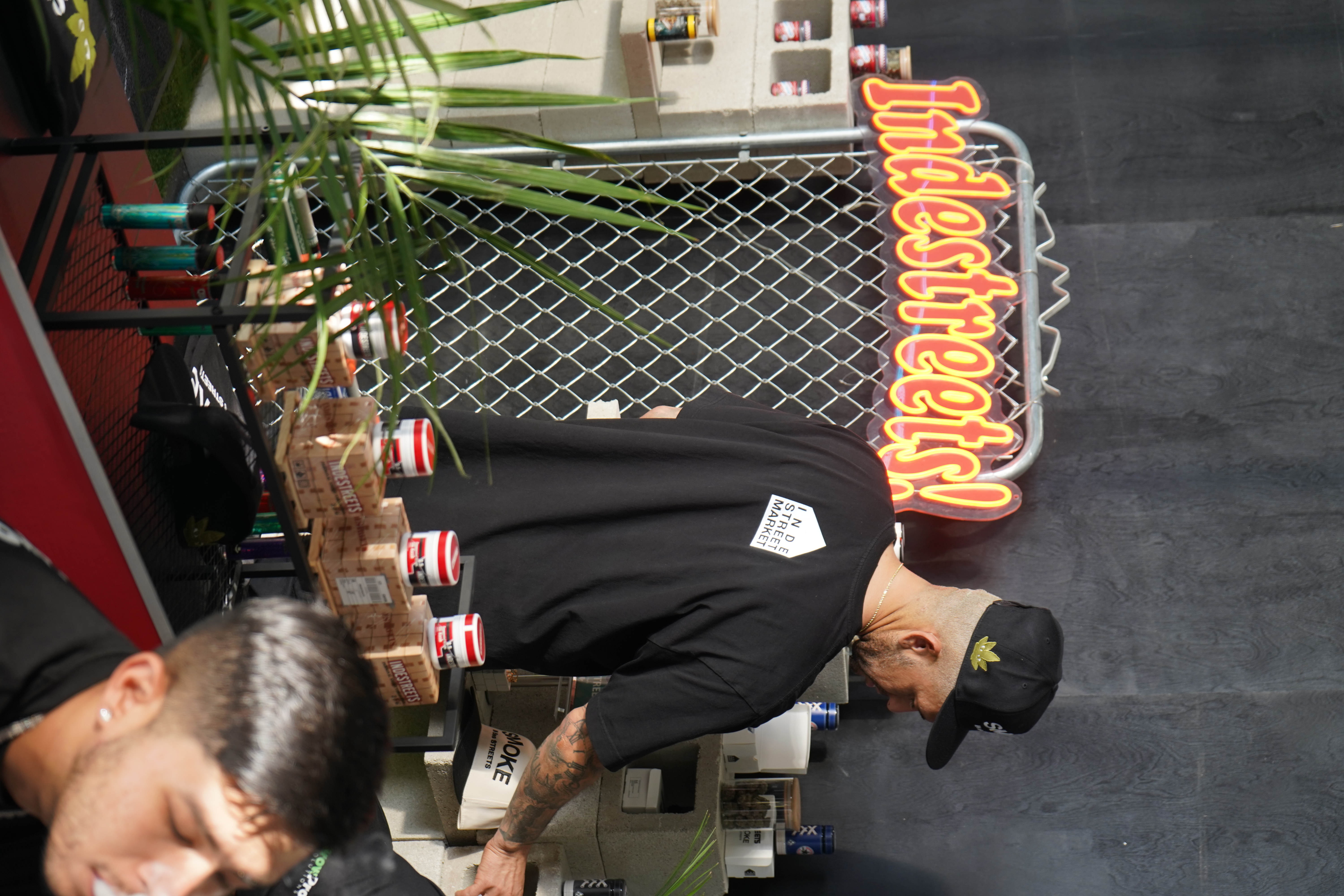
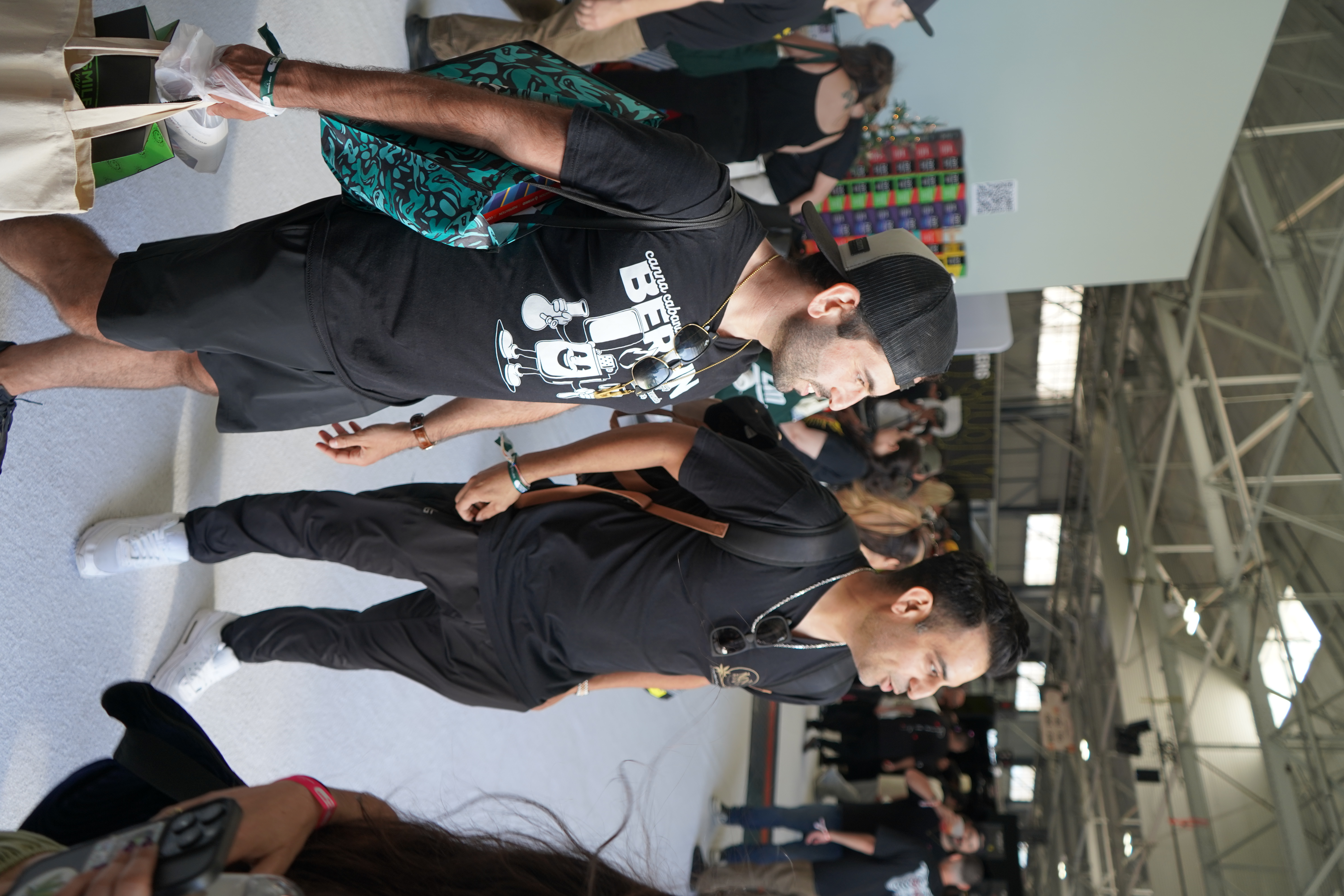
The strongest trade shows make discovery easy without making every interaction feel staged. Network Show 2026 leaned into that balance. Brand displays created clear places to stop, while the spaces between them stayed active with introductions, quick product conversations and familiar faces reconnecting before the next meeting.
Day 1 centered on brand-to-retail connections. Day 2 brought another round of brands, buyers and working conversations. Network Show also marked 2026 as its biggest footprint yet, giving more companies room to show what they were building without losing the relationship-driven format that defines the event.
A larger floor only works when people can still find each other. Network Show supported that process with an exhibitor map and brand directory, making it easier for attendees to plan the companies they wanted to meet. That practical structure kept discovery from becoming random foot traffic.
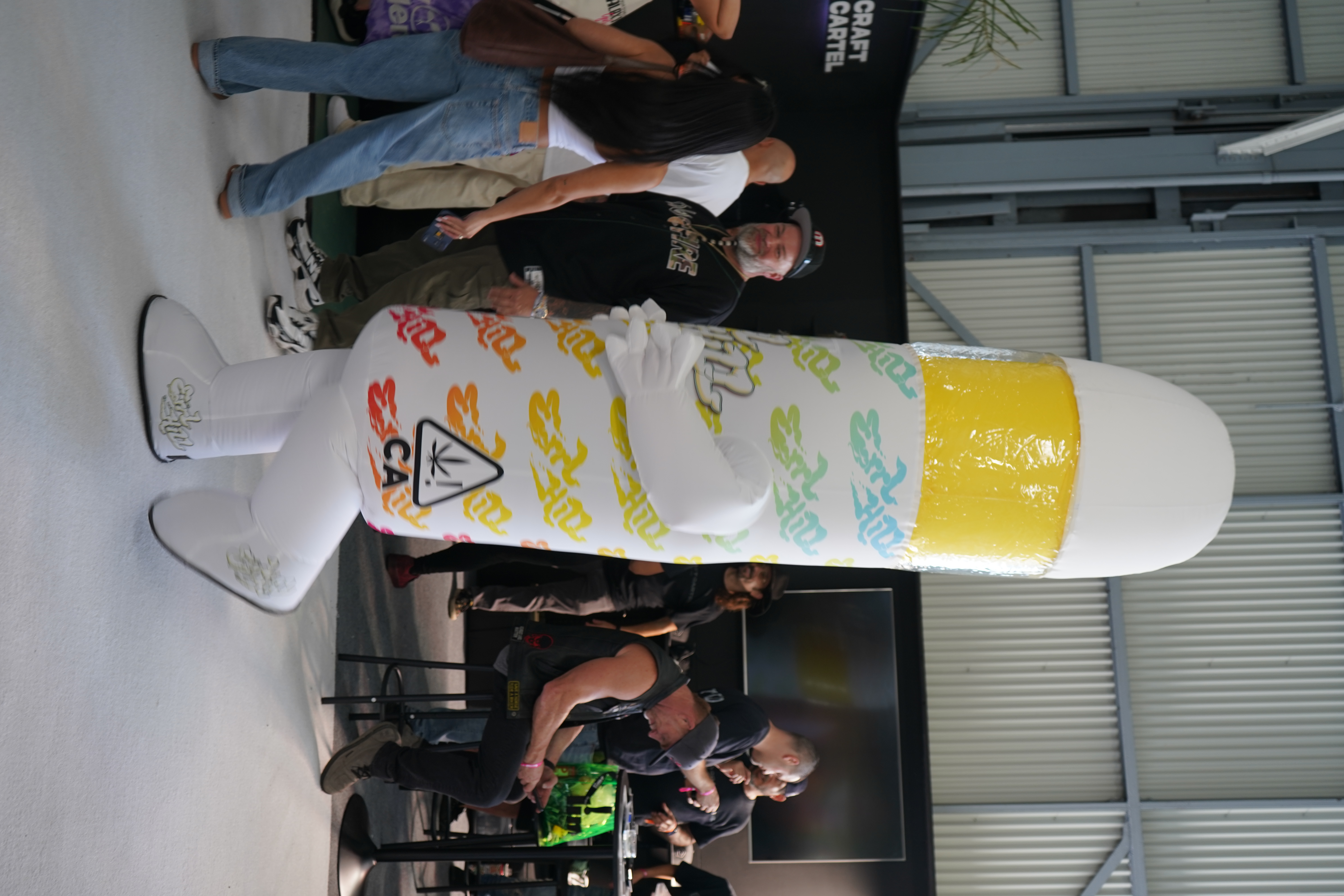
Good event presence extends beyond signage. A booth can earn the first glance, but the team creates the lasting impression. Strong cannabis content production can extend a moment beyond the room, but the original conversation still needs to feel direct, useful and real.
Brand-to-retail access stayed at the center
Cannabis has no shortage of conferences, parties and branded moments. The useful question is what the format makes easier. Network Show’s answer was direct access between licensed brands and retail teams.
For brands, that meant the chance to explain a product, answer buyer questions and hear objections without waiting for a long email chain. For retailers, it created a faster way to compare companies, meet the people behind them and understand how each brand expected to show up in stores.
That exchange matters in a market where shelf space, staff attention and customer trust are all limited. Buyers need more than a polished pitch. They need to understand product fit, team reliability, sell-through support and whether the brand can remain useful after the first order.
Brands need the same clarity from retailers. A productive meeting can reveal how stores merchandise a category, what customers are asking for, where education breaks down and what kind of support the retail team will actually use. Those details can shape the next sales conversation before another dollar goes into promotion.
Access alone does not guarantee a deal. It creates the conditions for one. A strong introduction can become a follow-up, a placement discussion, a collaboration or a better read on what the market needs. That is the practical side of the show’s recurring line: your network is your net worth.
Panels moved the conversation forward
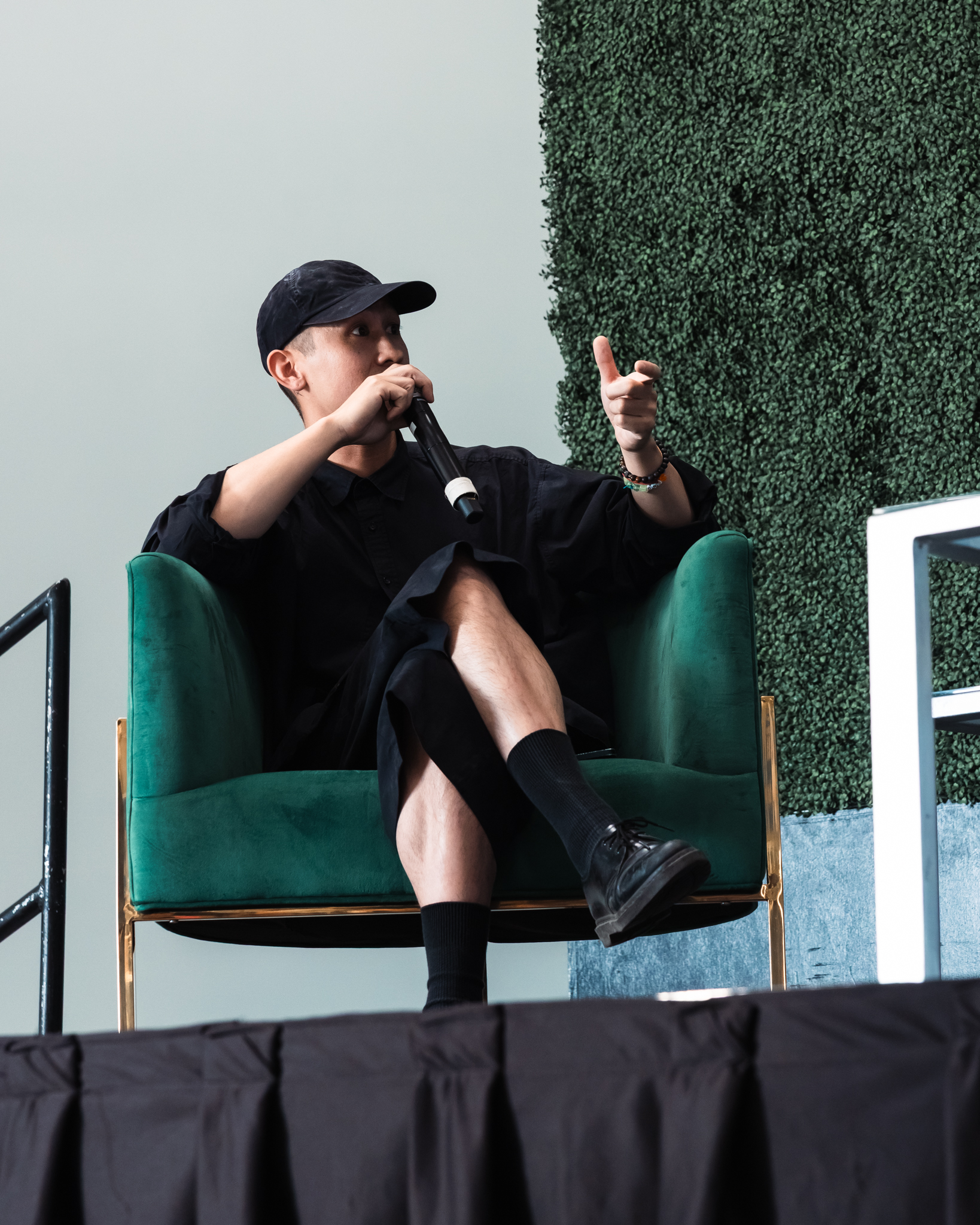
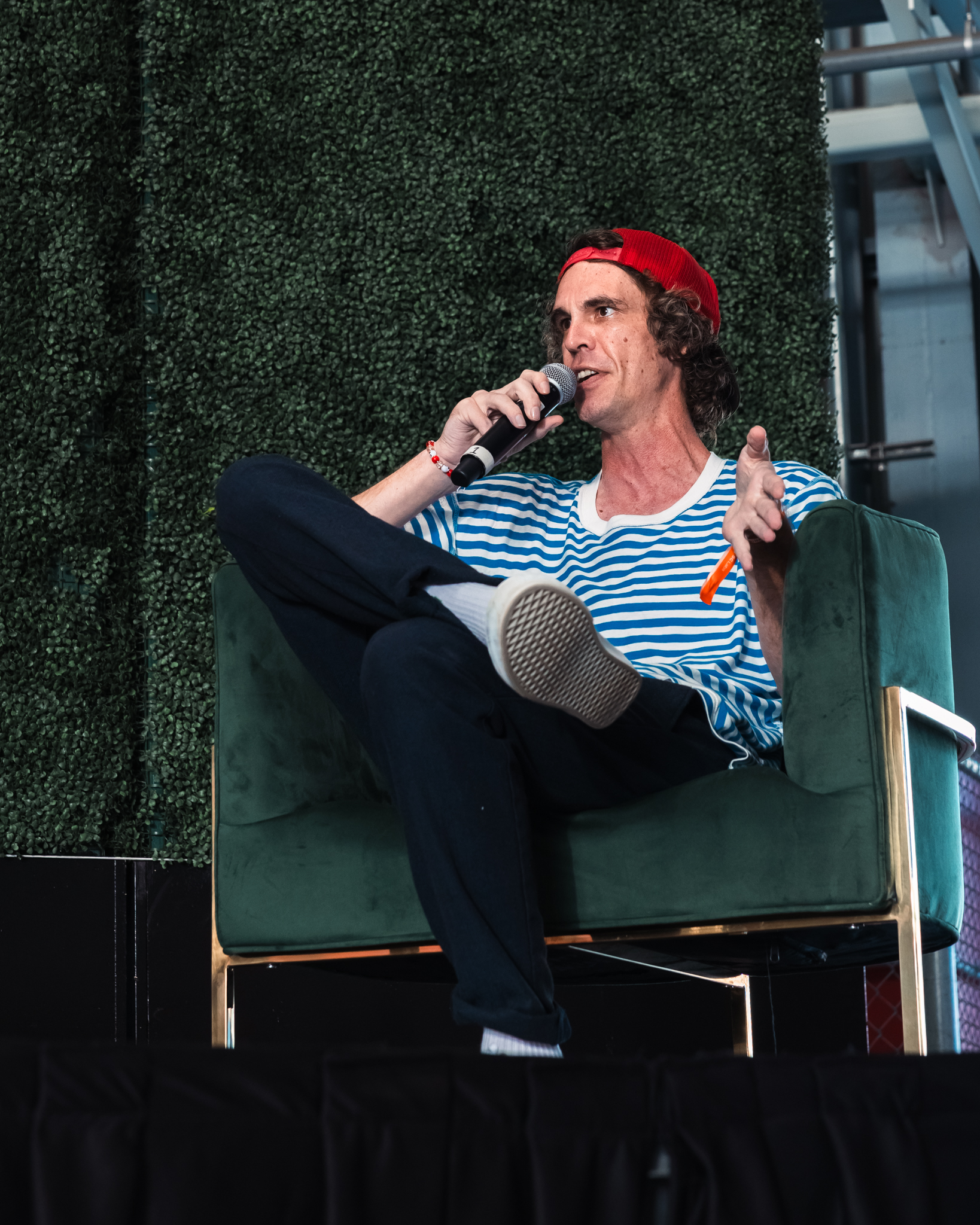
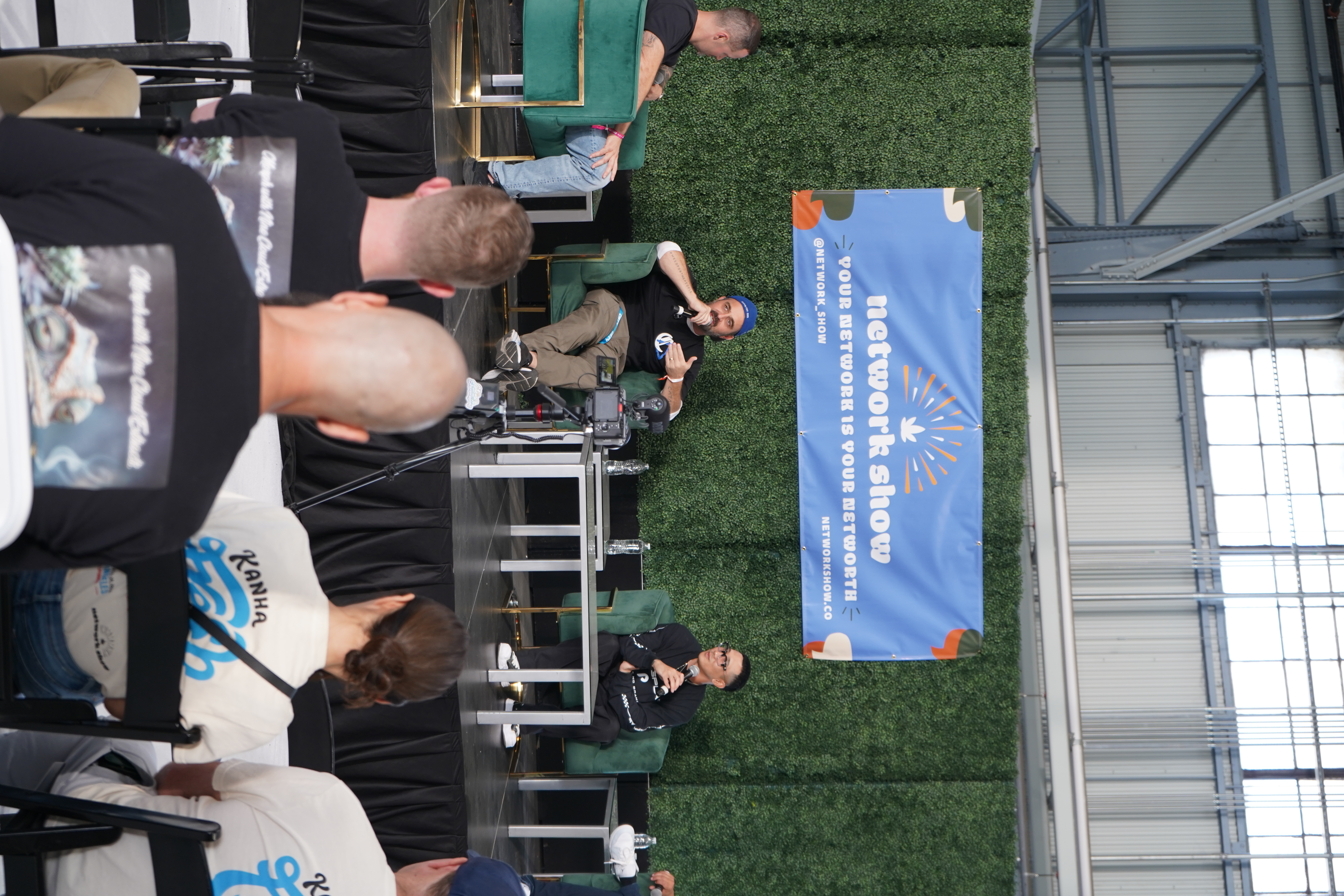
The stage gave the event a second rhythm. Attendees could step away from the trade floor and hear operators discuss the technology, strategy and market shifts changing the business. The best sessions did more than repeat trends. They gave people language for problems they were already trying to solve.
High Rise founder Erin Coffey joined the “Cannabis Technology in the Age of AI” panel. The session focused on a practical question: where does AI create useful leverage inside a cannabis business, and where does the noise still outrun the results?
The conversation moved past generic predictions. Topics included which teams are getting value now, what smaller operators can build without a development department, what still requires human judgment and how routine automation may change the skills companies value most.
Those questions matter because AI adoption is no longer limited to large technology teams. Cannabis companies are using the tools to organize information, accelerate production and reduce repetitive work. The advantage does not come from using every new platform. It comes from identifying a real bottleneck and building a repeatable system around it.
Explore the session further in our Network Show AI panel feature, including the practical moves operators can make without turning the business into a science project.
The culture layer was part of the infrastructure
Business was the focus, but the event did not strip out the culture that makes cannabis worth gathering around. Network Show extended the schedule with a welcome party and an official after-party. The night featured Z-Trip and Expansion Team Sound, with B-Real appearing as a special guest.
That mix matters. The trade floor gives people a reason to attend; the surrounding moments give them more time to talk. A conversation that starts beside a booth can continue at a panel, over food or after the badges come off. The setting changes, but the relationship keeps moving.
The event also connected merchandise sales to industry support, directing proceeds from its merch booth to the California Cannabis Operators Association. It was one part of a much larger show, but it reinforced a point the industry understands well: community becomes more credible when participation creates support beyond the event itself.
Cannabis business has always moved through overlapping circles of culture, commerce and personal trust. Network Show did not force those parts into separate rooms. It created a professional environment where they could work together without sanding away the personality that brought many operators into the industry in the first place.
What cannabis brands can take from Network Show 2026
A trade show is not valuable just because the room is busy. Brands still need a plan for the attention they earn. Network Show 2026 offered a useful reminder that preparation, presence and follow-through work as one system.
- Know who you need to meet. A floor map and brand directory help, but the real work starts with a short list of buyers, operators and partners worth meeting.
- Give people a clear reason to stop. Strong artwork can open the conversation. A sharp product story and a prepared team are what keep it going.
- Bring useful answers. Retail teams want to understand product fit, support, reliability and why the brand deserves continued attention after the event.
- Connect the stage to the floor. A useful panel creates follow-up conversations. Turn the strongest ideas into sales enablement, team learning and a better operating plan.
- Follow up while the conversation is fresh. Sort new contacts by next action, then send something specific. “Great meeting you” is not a strategy.
For brands planning the next activation, our work across cannabis brand strategy and cannabis awareness campaigns starts with the same question: what should remain useful after the show ends? The answer might be a buyer relationship, a stronger market read, a new partnership or all three.
The people make the show
The easiest way to describe Network Show 2026 is as two days of brands, retailers and panels. The more accurate version is that it created a temporary working network for California cannabis.
Brands had a place to be discovered. Retail teams had a place to compare what was new. Speakers had a place to test ideas in front of people managing the same constraints. Sponsors and event staff kept the machinery running while the industry filled the room with its own priorities.
No single booth, panel or personality carried the entire event. The value came from putting enough useful people in one place and giving them reasons to talk. That is how a quick introduction becomes a working relationship, and how an industry gathering creates momentum after the doors close.
Network Show 2026 made the case for a trade event built around access rather than spectacle. The brands showed up. The retail side showed up. The conversations kept moving. In a relationship-driven industry, that remains the part worth building around.
Media gallery